Tax Planning
Personal taxes, business taxes, and smart tax management strategies
TAXES
Darwin Ward
12/20/20252 min read
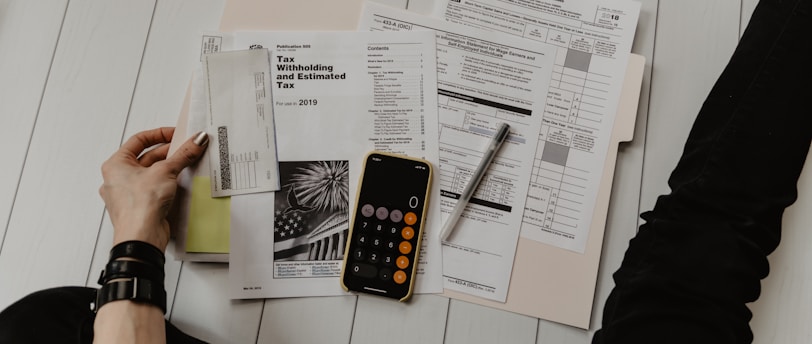

Taxes: Understanding and Managing Personal & Business Taxes
Taxes are one of life’s guarantees—but overpaying them is not. The difference between people who feel crushed by taxes and those who use them strategically usually comes down to education, planning, and timing.
At Emerging Minds, we view tax knowledge as a power tool. Used correctly, it protects your income, fuels growth, and keeps your financial life clean and predictable.
This blog breaks down personal taxes, business taxes, and smart tax management strategies in plain English—no CPA decoder ring required.
1. Personal Taxes: Know Where Your Money Really Goes
Most people only think about taxes once a year. That’s a mistake. Taxes affect every paycheck, every investment, and every financial decision you make.
Key Personal Tax Concepts Everyone Should Understand:
Tax Brackets: Moving into a higher bracket does not mean all your income is taxed higher—only the portion above the threshold.
Withholding vs. Owing: A big refund means you gave the government an interest-free loan. Smaller refunds or slight balances due usually mean better cash flow.
Standard vs. Itemized Deductions: Choose the option that legally reduces your taxable income the most.
Capital Gains: Long-term gains (held over 1 year) are usually taxed at lower rates than short-term gains.
Common Personal Tax Mistakes:
Ignoring estimated taxes when self-employed
Not tracking deductible expenses
Forgetting about retirement account tax advantages
Reality Check: Taxes aren’t confusing by accident. The system rewards people who pay attention.
2. Business Taxes: Where Strategy Matters Most
Business owners don’t just pay taxes—they plan around them. The structure and decisions you make can mean the difference between paying 40% or 20%.
Business Structures & Tax Impact:
Sole Proprietor: Simple, but often tax-inefficient at higher income levels
LLC: Flexible; can be taxed as sole prop, partnership, or S-Corp
S-Corporation: Can reduce self-employment taxes through reasonable salary rules
C-Corporation: Lower flat tax rate, but potential double taxation
Core Business Tax Responsibilities:
Income tax
Self-employment or payroll taxes
Sales or excise tax (depending on industry)
Quarterly estimated payments
Deductions Every Business Owner Should Know:
Home office (when used properly)
Vehicle and mileage
Equipment and tools
Software, marketing, and professional services
Education and training related to the business
Straight Talk: Poor bookkeeping is the fastest way to overpay taxes and invite audits.
3. Tax Planning: The Year-Round Advantage
Tax planning is not tax filing. Filing is reactive. Planning is proactive—and it happens before December 31st.
Smart Tax Planning Strategies:
Track Expenses Monthly: Don’t rely on memory at tax time.
Use Retirement Accounts: IRAs, Solo 401(k)s, and SEP plans reduce taxable income.
Time Income & Expenses: Deferring income or accelerating expenses can reduce current-year tax liability.
Depreciation & Write-Offs: Assets can often be written off over time or immediately, depending on rules.
Work With Professionals: A good CPA pays for themselves—many times over.
Pro Insight: Wealthy individuals don’t avoid taxes illegally. They plan legally—and relentlessly.
4. Taxes as a Tool, Not a Punishment
Most people see taxes as a loss. Educated individuals see them as a cost of strategy.
When you understand taxes:
You keep more of what you earn
You make better investment decisions
You build cleaner, stronger businesses
You reduce stress and uncertainty
Taxes reward preparation, not panic.
The Emerging Minds Perspective
Financial education isn’t complete without tax literacy. When individuals understand how money flows after taxes, they make smarter choices across budgeting, investing, and entrepreneurship.
Our goal is not to help people cheat the system—but to help them stop donating money unnecessarily.
✅ Call to Action for Readers:
This month, do one thing: review your last tax return, track expenses for 30 days, or talk to a tax professional. Awareness alone can save thousands.
© 2025. All rights reserved.